
Research Compounds: Laboratory Quality, Testing and Documentation Overview
A Practical Guide to Research Material Evaluation
Understanding research materials involves more than reviewing a product name or specification. Analytical documentation, identity, purity information, storage requirements, sourcing, and supplier transparency all play an important role in evaluating materials for laboratory research.
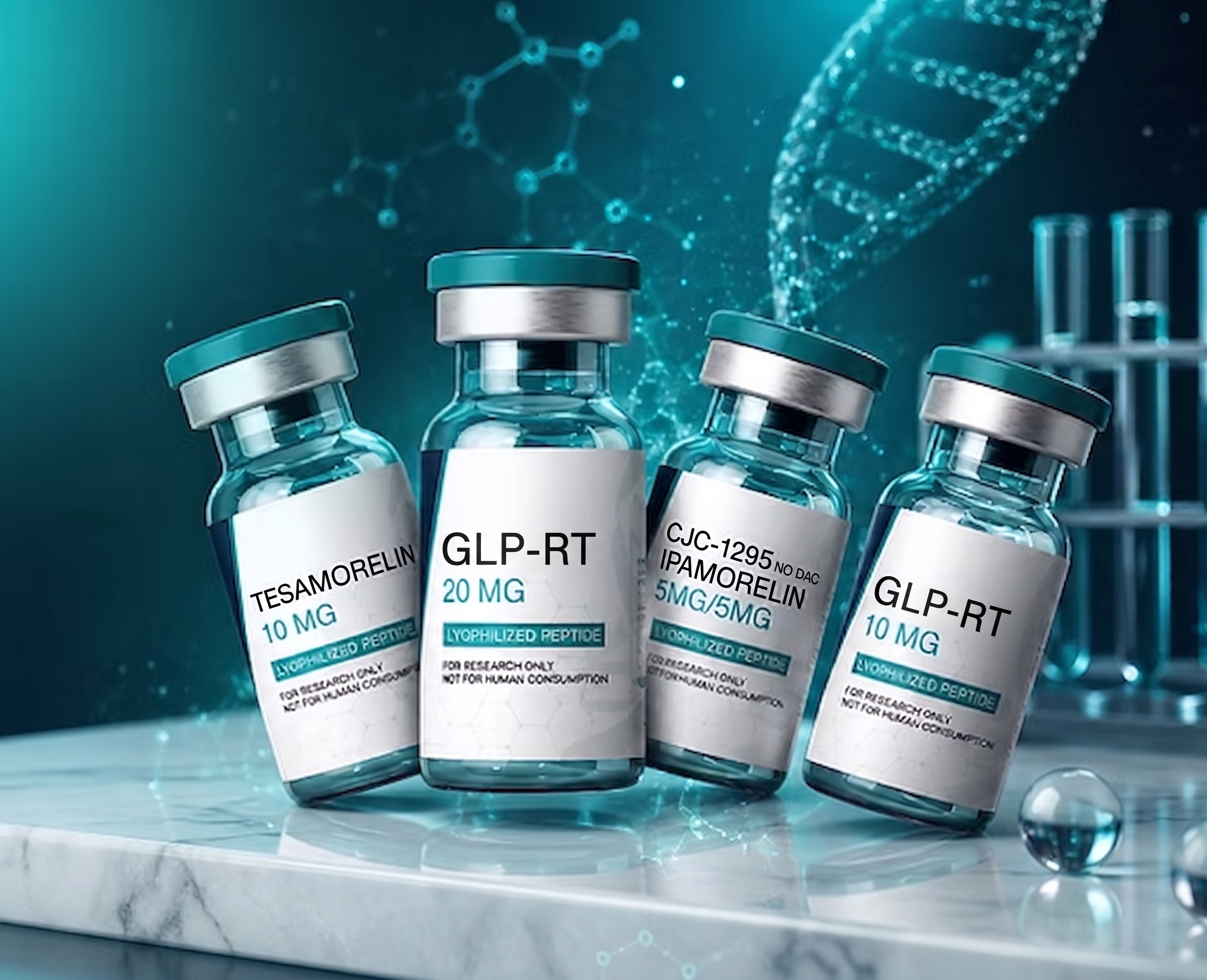
Research compounds are materials supplied for controlled laboratory, analytical, and scientific investigation. Researchers should review available product information, analytical documentation, storage guidance, and research-use labeling before selecting or handling any material.
What Are Research Compounds?
Research compounds are materials supplied specifically for laboratory and analytical investigation. Depending on the material and intended research application, analytical methods may be used to examine characteristics such as identity, purity, composition, and concentration.
Clear product information allows laboratories to properly identify, document, store, and evaluate the material being studied.
What Should Researchers Look for When Selecting Research Materials?
Quality research begins with understanding the material being evaluated. Researchers may consider several factors when reviewing laboratory research materials.
Clear identification of the research material and stated content.
Supporting analytical information and independent testing when available.
Certificates of Analysis and relevant product specifications.
Appropriate temperature, light, moisture, and handling information.
Why Third-Party Laboratory Testing Matters
Independent analytical testing can provide additional information about a research material beyond the supplier’s own specifications.
Depending on the analytical method and material being evaluated, laboratory testing may examine characteristics such as identity, purity, concentration, or composition.
Third-party testing is particularly useful because the analysis is performed independently from the company supplying the material.
What Is a Certificate of Analysis?
A Certificate of Analysis, commonly called a COA, is a laboratory document that reports analytical information associated with a tested sample.
Depending on the laboratory, analytical method, and material being evaluated, a COA may include sample identification, testing methodology, reported purity, analytical findings, laboratory information, and testing date.
View Example Certificate of AnalysisUnderstanding Purity and Identity
Purity and identity describe different characteristics of a research material.
Identity
Identity addresses whether the analyzed material corresponds with the expected compound.
Purity
Purity describes the proportion of detected material associated with the target compound relative to other detected components under the analytical method used.
Researchers should consider the analytical method, identity information, and supporting documentation together rather than relying solely on a single reported purity percentage.
Why Supplier Transparency Matters
Reliable research sourcing depends on access to clear information. Researchers should be able to understand what material is being supplied and what analytical information is available to support its evaluation.
- Clear product specifications
- Stated material content
- Third-party analytical documentation
- Certificate of Analysis availability
- Storage information
- Research-use labeling
- Accessible supplier information
Storage and Handling of Research Materials
Storage requirements can vary between research materials. Temperature, moisture, light exposure, container integrity, and other environmental conditions may affect material stability.
Laboratories should review product-specific documentation and labeling before storing or handling any research material and follow established institutional safety procedures.
Research Material Evaluation Checklist
Before selecting a research material, consider the following:
✓ Is the material clearly identified?
Review the product description and stated content.
✓ Is analytical documentation available?
Determine whether supporting testing information or a Certificate of Analysis is available.
✓ Has independent testing been performed?
Third-party analysis can provide additional independent information about the material.
✓ Are purity and identity appropriately documented?
Consider the supporting analytical information rather than relying solely on a percentage.
✓ Are storage requirements provided?
Appropriate storage guidance helps laboratories maintain materials under suitable conditions.
✓ Is the material clearly labeled for research use?
Research materials should be appropriately identified according to their intended laboratory purpose.
Explore Top Tier Science Research Materials
Explore research materials supplied for laboratory, analytical, and scientific investigation, with an emphasis on transparency, analytical documentation, and third-party testing.
Browse Research MaterialsFrequently Asked Questions
What does “research use only” mean?
Research-use-only materials are supplied specifically for laboratory, analytical, and scientific investigation. They are not intended for human or veterinary use.
What is third-party testing?
Third-party testing means an independent laboratory performs analytical testing on a sample rather than relying solely on information supplied by the material provider.
What does a COA show?
A Certificate of Analysis reports analytical information associated with a tested sample. The information provided depends on the material, laboratory, and analytical methodology used.
Does a high purity percentage automatically indicate material quality?
Not necessarily. Purity is one analytical measurement. Researchers should also consider identity, analytical methodology, documentation, and other available information when evaluating research materials.